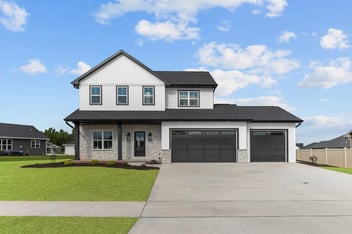
8 Min Read
Buying land is exciting, especially when you can already picture the home you want to build there. But before you move forward with an offer, it is important to know if the lot can actually support that home. A property may look perfect at first glance, but zoning, access, utilities, soil, drainage, and site costs can all affect what is possible.
If you are wondering, “Is this land buildable?” the answer is not always as simple as yes or no. The better question is whether the lot works for your specific home, budget, and long-term plans. That is where a builder’s perspective can help you look beyond the listing and understand what questions to ask before you buy.
In this post, we’ll walk through what makes a lot buildable, how to know if land is buildable before you buy, what can make a lot unbuildable, and how a free lot walk can help you find the right place to build.
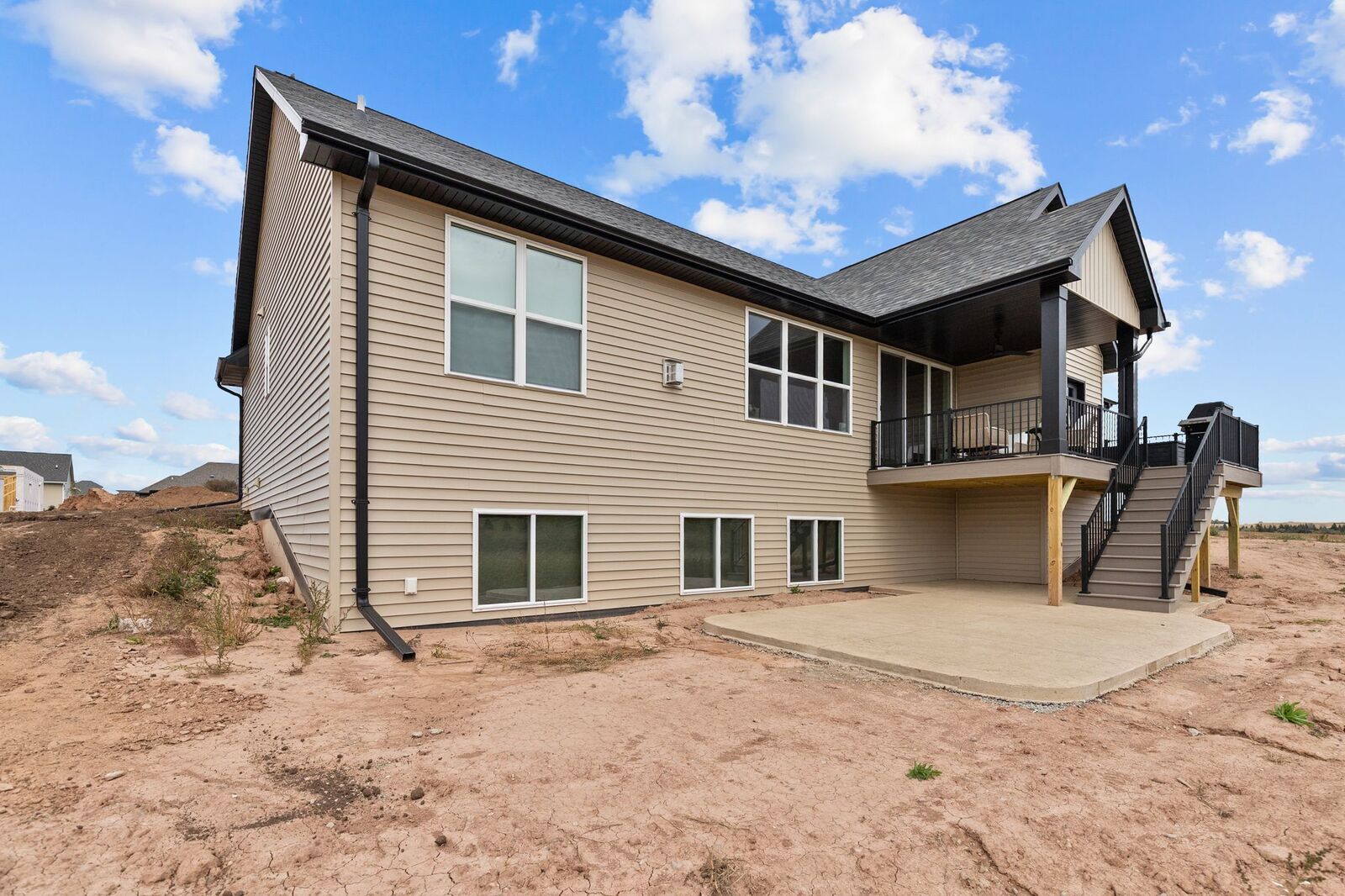
Table of Contents
- What Does “Buildable Lot” Actually Mean?
- How to Know if a Lot Is Buildable
- What Makes a Lot Unbuildable?
- FAQs about Finding Buildable Lots in Appleton, WI
- Find Out if Your Lot Is Buildable Before You Buy
What Does “Buildable Lot” Actually Mean?
A buildable lot is land that can support the home you want to build, not just legally, but practically and financially. That means the zoning allows it, the home fits on the property, utilities can be provided, and the site work does not create budget surprises.
That may sound simple, but there are several layers to it. A lot needs to allow residential construction under local zoning rules. It needs legal access from a road. It needs enough usable space for the home, garage, driveway, utilities, and any required septic or well systems. It also needs soil and drainage conditions that can support construction.
Just as important, the lot needs to work for the specific home you want to build. Midwest Design Homes has seen lots that look great on paper, but don’t work for what you want.
For example, a narrow lot may technically be buildable, but it may not work for the wide ranch plan you had in mind. A wooded rural lot may offer privacy, but clearing trees, extending utilities, installing a driveway, and preparing the site could add more cost than expected. A subdivision lot may already have utilities nearby, but neighborhood covenants may limit the size, style, or placement of your home.
So the real question is not only, “Is this land buildable?”
The better question is: “Is this lot buildable for the home I want, at a budget that makes sense?”
How to Know if a Lot Is Buildable
Once you understand what “buildable” really means, the next step is knowing what to check before you buy.
At a high level, here is how to know if land is buildable:
- Confirm the zoning allows the type of home you want to build.
- Make sure the lot has legal access from a road or recorded easement.
- Verify that the home, garage, driveway, and utilities can fit on the property.
- Check if water, sewer, electric, gas, and internet are available or feasible.
- Review soil, drainage, slope, and likely site preparation costs.
- Look for easements, covenants, or neighborhood rules that could limit your plans.
Start With Zoning
Zoning is the first place to start because it tells you what the land is legally allowed to be used for. A property may be vacant, wooded, or surrounded by homes, but that does not automatically mean you can build a single-family home there.
Before you make an offer, confirm the current zoning with the city, village, town, or county that governs the property. This is especially important around Appleton and the Fox Cities because nearby properties may fall under different jurisdictions. One lot may be governed by city rules, while another just a few minutes away may fall under a town, village, or county process.
Here are some important questions to ask:
- Is single-family residential construction allowed on this parcel?
- Does the lot meet minimum size and road frontage requirements?
- What are the front, side, and rear setbacks?
- Are there any overlays, restrictions, or special approvals required?
- Are there any known issues that could prevent a building permit?
Confirm the Lot Has Legal Access
A lot also needs legal and practical access. In most cases, that means the property connects to a public road or has a recorded easement that gives you the right to reach it.
This matters more than many buyers realize. A property may look accessible because there is a path, driveway, or open field entrance, but that does not always mean there is legal access for a new home.
As you evaluate access, confirm that the property has road frontage, identify if the road is public or private, and check if the driveway will need a permit or culvert. If access crosses another property, make sure there is a recorded easement, not just a casual agreement.
For rural lots, access can also affect cost. A long driveway may require clearing, grading, gravel, drainage work, snow removal planning, and longer utility runs. The key question is not just, “Can I get onto the property today?” It is, “Can this property support safe, legal, long-term access for a home?”
Make Sure the Home You Want Actually Fits
A lot can be buildable on paper but still not work well for the home you want.
This is one of the most important parts of finding a buildable lot in Appleton, WI. The home, garage, driveway, septic system if needed, outdoor living areas, and future plans all need to fit within the usable part of the lot.
That can be hard to judge from a listing or parcel map alone. Setbacks, easements, lot shape, slope, drainage areas, and neighborhood rules can all affect where the home can go. A narrow lot may not work for a wide ranch plan. A wooded lot may need careful placement to preserve trees. A sloped lot may be ideal for a walkout basement, but it can also affect the driveway, garage location, and foundation design.
This is exactly why Midwest Design Homes offers a Free Lot Walk. Before you buy, our team can walk the property with you and look at the land through the lens of the home you want to build. We can help you think through where the home might sit, how the driveway could work, what views or privacy you may want to preserve, and which type of home best fits the property.
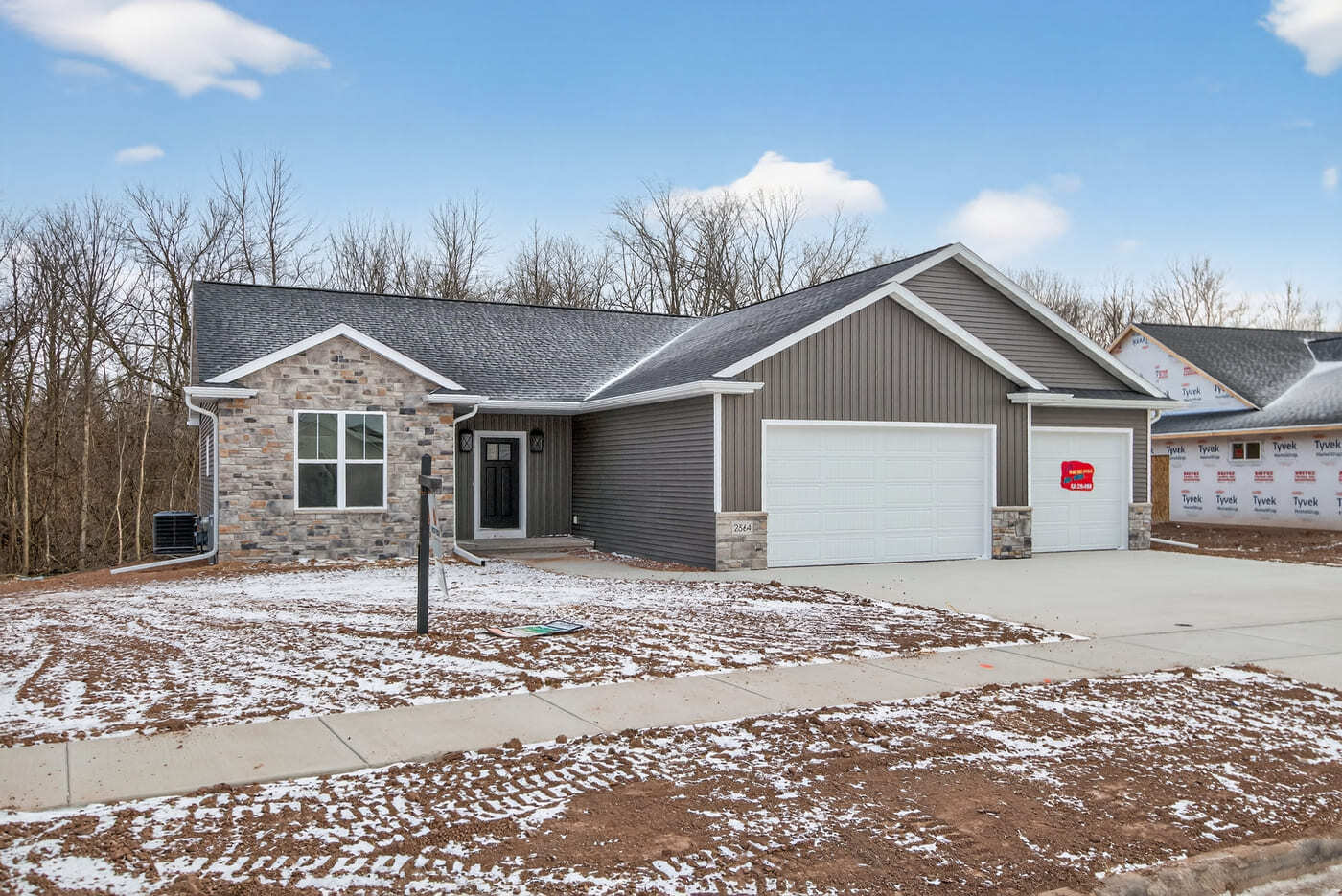
Check Utilities and Septic Needs
Utilities needed to build a home can have a major impact on the lot's practicality. Some lots already have municipal water and sewer available nearby, while others require a private well, septic system, propane, longer electric service, or additional site work.
If you are evaluating land for building a house on near Appleton, WI or the nearby communities, ask early if municipal sewer and water are available. If they are not, you will need to understand if a well and septic system are feasible. Septic placement can affect the home’s location, driveway, yard layout, and future expansion plans.
At minimum, confirm how the home will receive water, handle wastewater, connect to electric service, and be heated. In developed areas, that may mean municipal water, sewer, electric, and natural gas. On rural lots, it may mean a private well, septic system, propane, and a longer electric service run. Internet access is worth checking, too. It may not determine if the land is technically buildable, but it can affect how well the property works for your daily life.
A lot with limited utilities is not automatically a bad option. It just means you should understand the full picture before you buy. A peaceful rural property may still be a great choice, but the cost of utility extensions, well, septic, driveway work, and site preparation should be factored into the budget early.
Look at Soil, Drainage, and Site Costs
Site conditions can make or break a lot, even when zoning and utilities look promising.
Soil, slope, water movement, tree clearing, and grading all affect what it will take to prepare the property for construction. A lot that looks affordable at first may become much more expensive once you add driveway work, excavation, fill, drainage improvements, foundation adjustments, or tree removal.
As you walk the property, pay attention to signs like:
- Standing water or soggy areas
- Low spots where water may collect
- Drainage ditches or swales
- Steep slopes
- Heavy tree coverage where the home would sit
- Neighboring land that slopes toward the lot
- Evidence of erosion
- Old debris, fill, or structures
These signs do not always mean the lot is unbuildable, but they do mean the site needs a closer look.
This is another area where a lot assessment can be valuable in Appleton, WI. Midwest can help you look at the land from a construction perspective and identify potential site cost questions early. We do not replace the need for surveys, engineering, soil testing, or municipal approvals, but we can help you understand what to investigate before you commit to the land.
Review Restrictions, Easements, and Neighborhood Rules
Even when a lot has the right zoning, good access, and available utilities, there may still be restrictions that affect what you can build.
Easements are one example. A utility easement, drainage easement, or access easement may limit where the home, garage, driveway, patio, or outbuilding can go. These restrictions may not be obvious when you walk the property, which is why reviewing the survey, plat, title work, and recorded documents is important.
Subdivision covenants or neighborhood rules can also affect your plans. They may control the minimum home size, exterior materials, roof pitch, garage placement, fencing, outbuildings, landscaping, or architectural style.
These rules are not always a problem. In some neighborhoods, they help protect the look and feel of the community. But you want to know about them before you buy, not after you've chosen a plan.
If you are still getting a feel for what type of home may fit your land, browsing Midwest’s portfolio can help you see how different home styles, layouts, and lot conditions come together in real projects.
Find Land that Works
Trying to answer all of these questions on your own can be overwhelming, especially when every lot has different rules, site conditions, and cost considerations. That is why it helps to involve a builder before you buy. Midwest Design Homes can walk the lot with you, help you understand how the land may affect your home, and help you decide whether to start with the lot, the floor plan, or a more custom approach before you move forward.
Still searching for the right property? Explore our available land for sale to start with lots our team already knows and can help you evaluate.
Once you understand how the land may affect your home, the next step is understanding how the full building process comes together. Learn more about the Midwest Design Homes process and how we guide you from lot evaluation and design through selections, construction, and closing.
What Makes a Lot Unbuildable?
A lot usually becomes unbuildable for one of three reasons: the rules do not allow it, the land cannot support it, or the cost to make it work is too high.
That could mean zoning does not allow the type of home you want, the property does not have legal access, setbacks or easements leave too little room to build, the soil will not support a septic system, wetlands or drainage issues limit the usable space, or utility and site preparation costs push the project beyond your budget.
In other words, “buildable” is not always a simple yes-or-no question. A better question is:
Can this lot support the home I want at a cost that still makes sense?
That is exactly what a Free Lot Walk with Midwest Design Homes is designed to help you understand before you buy.
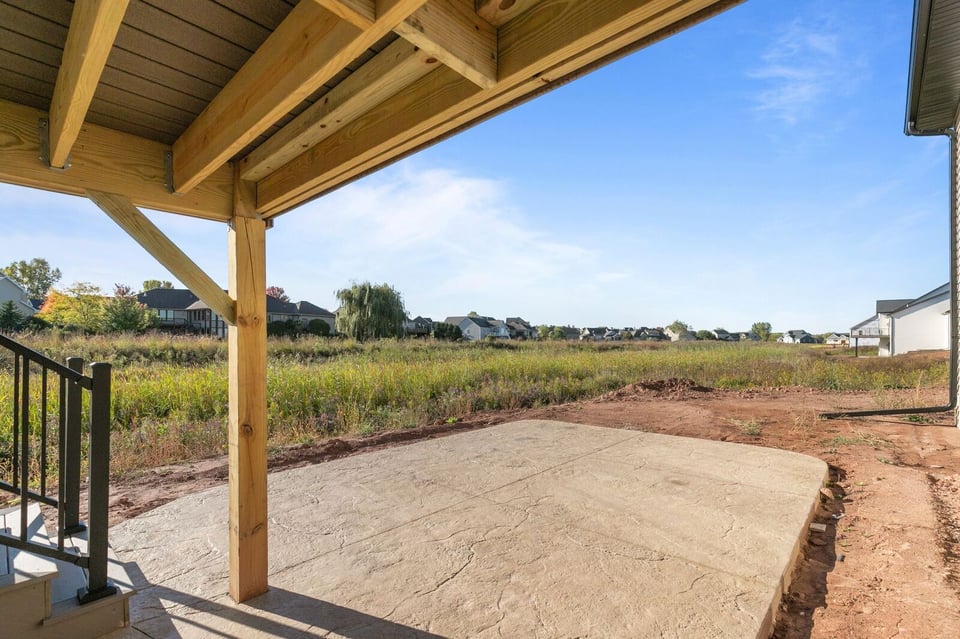
FAQs about Finding Buildable Lots in Appleton, WI
1. Do I need to own the land before scheduling a Lot Walk?
No. In fact, the best time to schedule a Lot Walk is often before you buy the land. That gives you a chance to look at the property with a builder’s perspective before you are fully committed.
2. Is a cheaper lot always a better deal?
Not always. A lower-priced lot may come with higher site costs, especially if it needs a long driveway, tree clearing, grading, utility extensions, a private well, a septic system, or extra foundation work.
Sometimes, a lot that costs more upfront can be easier and more cost-effective to build on. The purchase price is only one part of the total investment, which is why it helps to evaluate the land and the future home together.
3. Should I choose a floor plan before or after finding land?
It helps to think about the land and floor plan together.
If you already have land in mind, Midwest Design Homes can help you evaluate which floor plans may work best for that property. If you are still exploring options, our semi-custom home plans are a great place to start. They give you thoughtfully designed layouts that can help you picture what may fit your lot, lifestyle, and budget before you move too far into the process.
4. What if the lot needs a well and septic system?
A lot that needs a well and septic system can still be a great place to build, but those systems need to be planned early. Septic placement can affect where the house, driveway, garage, and outdoor spaces can go.
Before buying rural land, it is important to understand if the soil can support a septic system and where the system would likely be located. That can help you avoid choosing a lot that limits your home placement or adds unexpected cost.
5. How much do site costs matter when buying land?
Site costs matter a lot. The cost of the land is only the starting point. Clearing, grading, driveway installation, utility connections, drainage work, septic, well, and foundation needs can all affect your total budget.
Find Out if Your Lot Is Buildable Before You Buy
Buying land is a big step, and it should be based on more than a guess. Before you commit to a property, make sure the lot can support your home, your budget, and your long-term plans.
Schedule a Free Lot Walk with our team before you buy. We will walk the property with you, help you understand how the land may affect your home, and point out the questions worth answering before you move forward.
Still have questions? Contact us today to start the conversation.